.png)


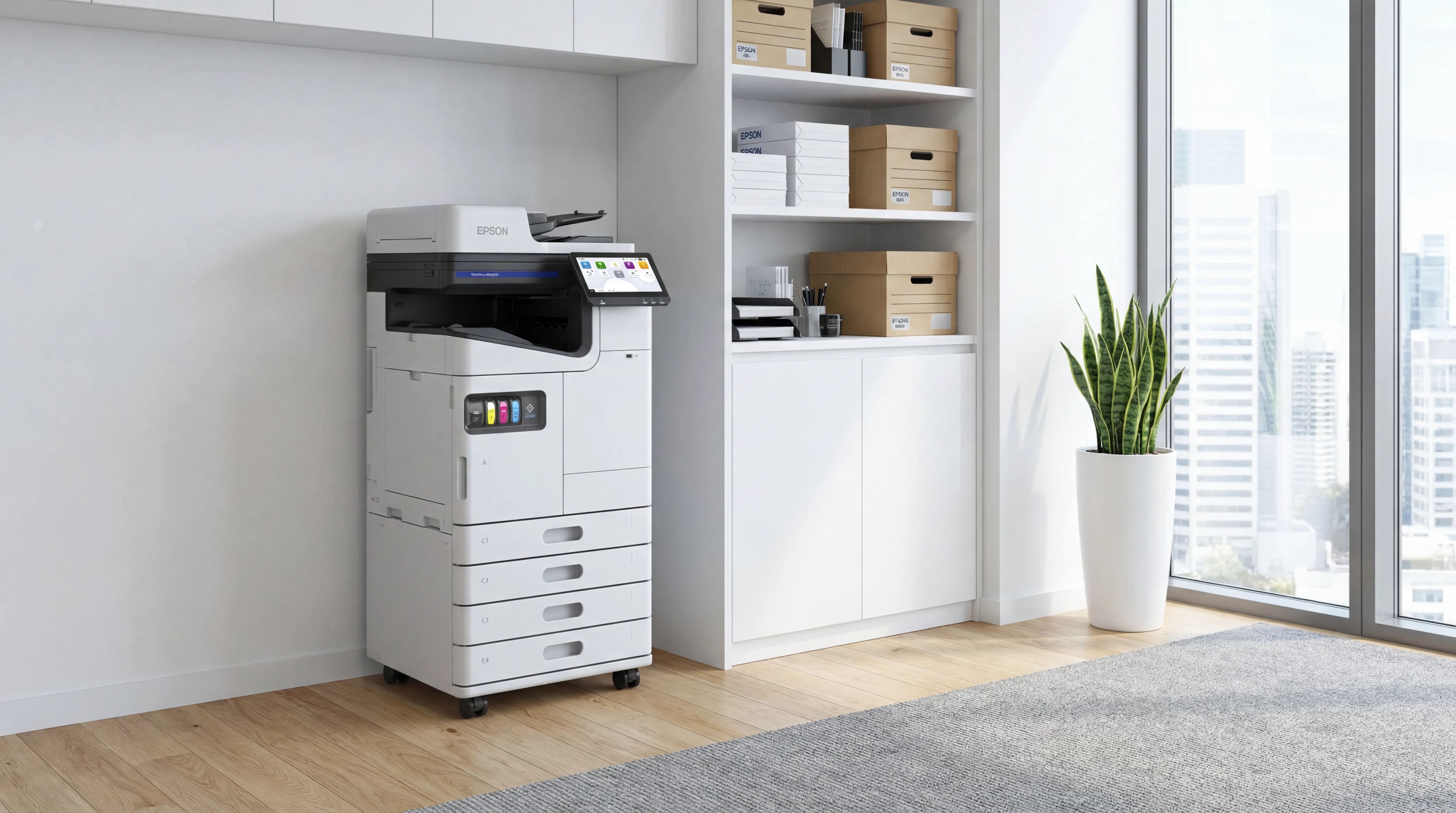
Print is one of the most visible and most easily reducible sources of environmental impact in a typical UK office. Paper consumption, toner chemistry, energy use, and device disposal all carry environmental costs, and all can be meaningfully reduced without compromising the print capability your business needs. This guide covers practical steps, from quick wins to structural changes, that make a genuine difference.
Understanding the Environmental Footprint of Print
The environmental cost of office printing comes from several sources:
- Paper: the production of a tonne of office paper typically requires several tonnes of wood, significant water, and energy. Even recycled paper has an energy and water footprint, albeit lower.
- Toner and ink: toner cartridges contain plastic, metal, and chemical compounds. The manufacturing process is energy-intensive, and cartridges that aren't properly recycled end up in landfill.
- Electricity: a typical office laser printer draws 300-600W during printing and 10-50W in standby mode. A fleet of poorly managed devices, left powered on overnight and at weekends, consumes meaningful energy.
- Device manufacturing and disposal: the embodied carbon in producing a printer or MFD is significant. Frequent device replacement has a higher environmental cost than maintaining a well-maintained fleet for longer.
Quick Wins: Behavioural Changes That Cost Nothing
Several of the highest-impact reductions come from changing behaviour rather than changing technology:
Default Duplex Printing
Setting all printers to print double-sided by default is the single highest-impact print setting change. It halves paper consumption for any document where double-sided printing is acceptable, which is most of them. In a managed print environment, this can be enforced centrally across the fleet rather than relying on individual users to change settings.
Default Black-and-White
Colour printing uses four times the consumables of mono printing. Defaulting all devices to mono, with colour available on request or for specific roles, reduces toner consumption significantly and reduces cost simultaneously. Most documents, internal memos, reports, emails, don't need colour.
Secure Print Release
Uncollected print jobs, documents sent to the printer and never collected, are a significant source of paper waste. In many offices, a meaningful proportion of total print volume simply ends up in the recycling bin next to the printer, never having been read. Secure print release, which holds jobs in a queue until the user authenticates at the device, eliminates this waste almost entirely.
Measuring What You Print
You can't manage what you can't measure. A managed print service provides usage data by device, department, and user, showing exactly where print volume is generated and what it costs. This visibility is the starting point for reduction.
Common insights from print data:
- A small number of users typically generate a disproportionate share of print volume
- Certain departments print more than their function requires
- Specific devices print a disproportionate amount of colour
- Print volumes peak around certain times (month-end, report cycles) in ways that suggest specific process improvements
Sharing department-level print reports with team managers often creates organic pressure to reduce, people tend to change behaviour when they can see the data about their own consumption.
Right-Sizing the Fleet
A managed print assessment typically reveals that most offices have more devices than they need. Each device that's retired reduces energy consumption, maintenance resource, and eventual disposal impact. A smaller fleet of appropriately specified devices, used at higher capacity, is more sustainable than a large fleet of underutilised ones.
Modern high-capacity MFDs are also significantly more energy-efficient than older devices. Replacing a five-year-old device with a current model typically reduces electricity consumption meaningfully, current MFDs are designed to the latest energy efficiency standards and spend more time in low-power modes.
Toner Cartridge Recycling
Most major printer manufacturers offer cartridge return and recycling programmes. Under a managed print service, empty cartridges can be collected and returned as part of the service, ensuring they're recycled rather than landfilled. Look for providers who can confirm that returned cartridges go through a genuine recycling process rather than export.
Paper Procurement
For the paper you do continue to use:
- Choose paper certified by the Forest Stewardship Council (FSC) or Programme for the Endorsement of Forest Certification (PEFC), confirming it comes from responsibly managed forests
- Consider recycled-content paper, 100% recycled office paper is available at comparable quality and not significantly higher cost than virgin paper
- Avoid bright white, high-GSM paper for routine internal documents, these require more processing and are harder to recycle
Device Energy Management
Ensuring devices power down properly outside working hours is simple and often overlooked:
- Configure power-saving schedules so devices enter deep sleep mode overnight and at weekends automatically
- Consider smart power strips that cut power to peripheral devices when the main device is off
- In a managed print environment, energy management settings should be part of the standard device configuration
Reporting for Sustainability Targets
For organisations with formal sustainability commitments, net zero targets, ESG reporting, supplier sustainability requirements, print data forms part of the overall environmental footprint calculation. A managed print service provides the usage data needed for accurate reporting: pages printed, device energy consumption, and consumable volumes. This data contributes to Scope 3 emissions calculations and can be shared with clients or stakeholders as evidence of reduction efforts.
Looking to reduce the environmental impact of your print fleet? future® Office helps UK businesses measure, manage, and reduce their print footprint as part of a managed print service. Talk to the team about a sustainable print programme.
Managed Print
Reduce print costs, eliminate downtime, and keep your devices running with a managed print service tailored to your business.

Workplace IT
From device procurement to lifecycle management, we keep your teams equipped with the right technology.

Meeting Rooms
Professional video conferencing, presentation systems, and collaboration tools that make every meeting count.
Visitor Systems
Modern digital sign-in, badge printing, and GDPR-compliant visitor management for a professional first impression.
Ready to discuss your workplace technology?
Talk to the team today. We will assess your needs, build you a tailored solution, and support you every step of the way.