.png)


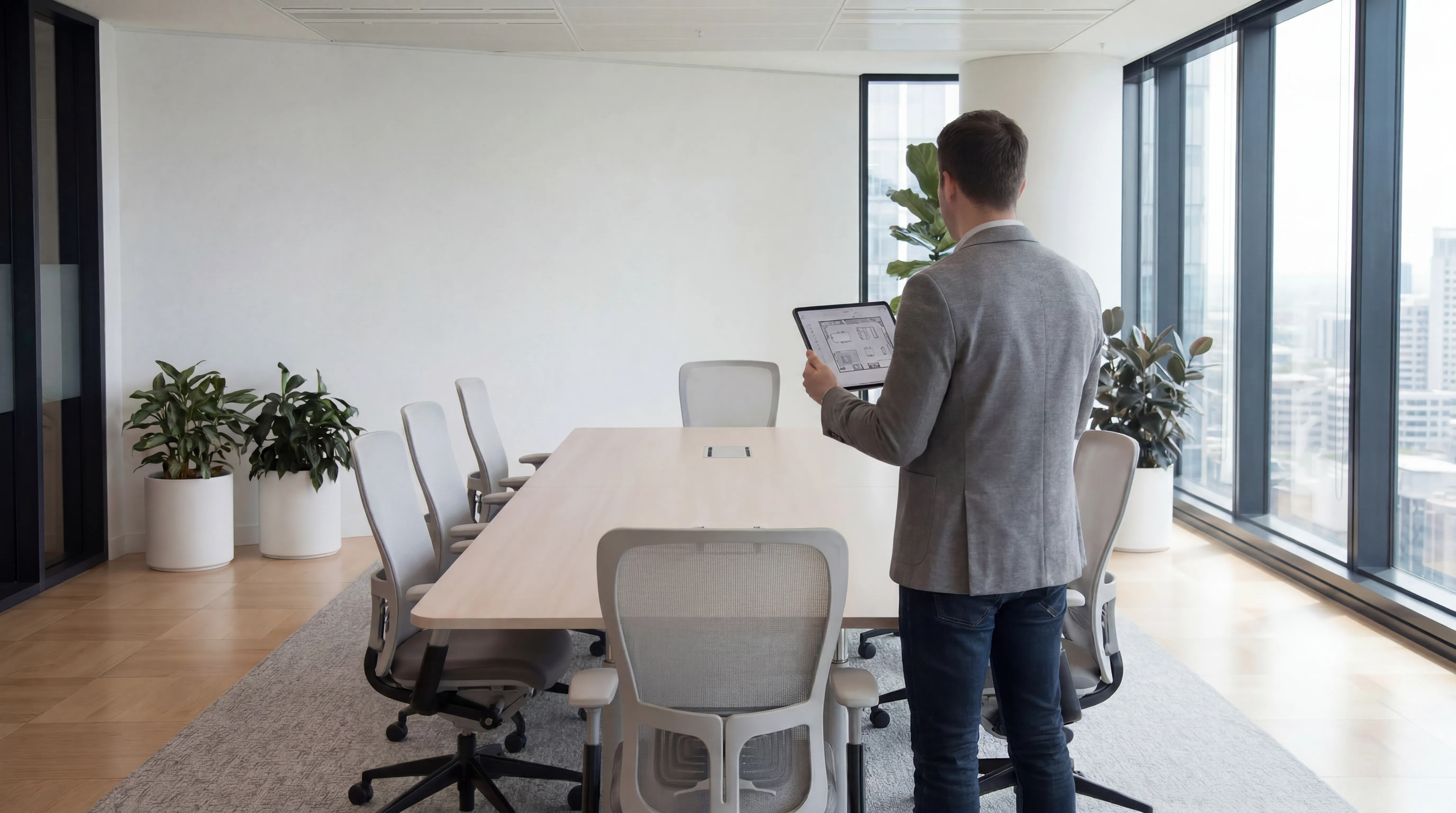
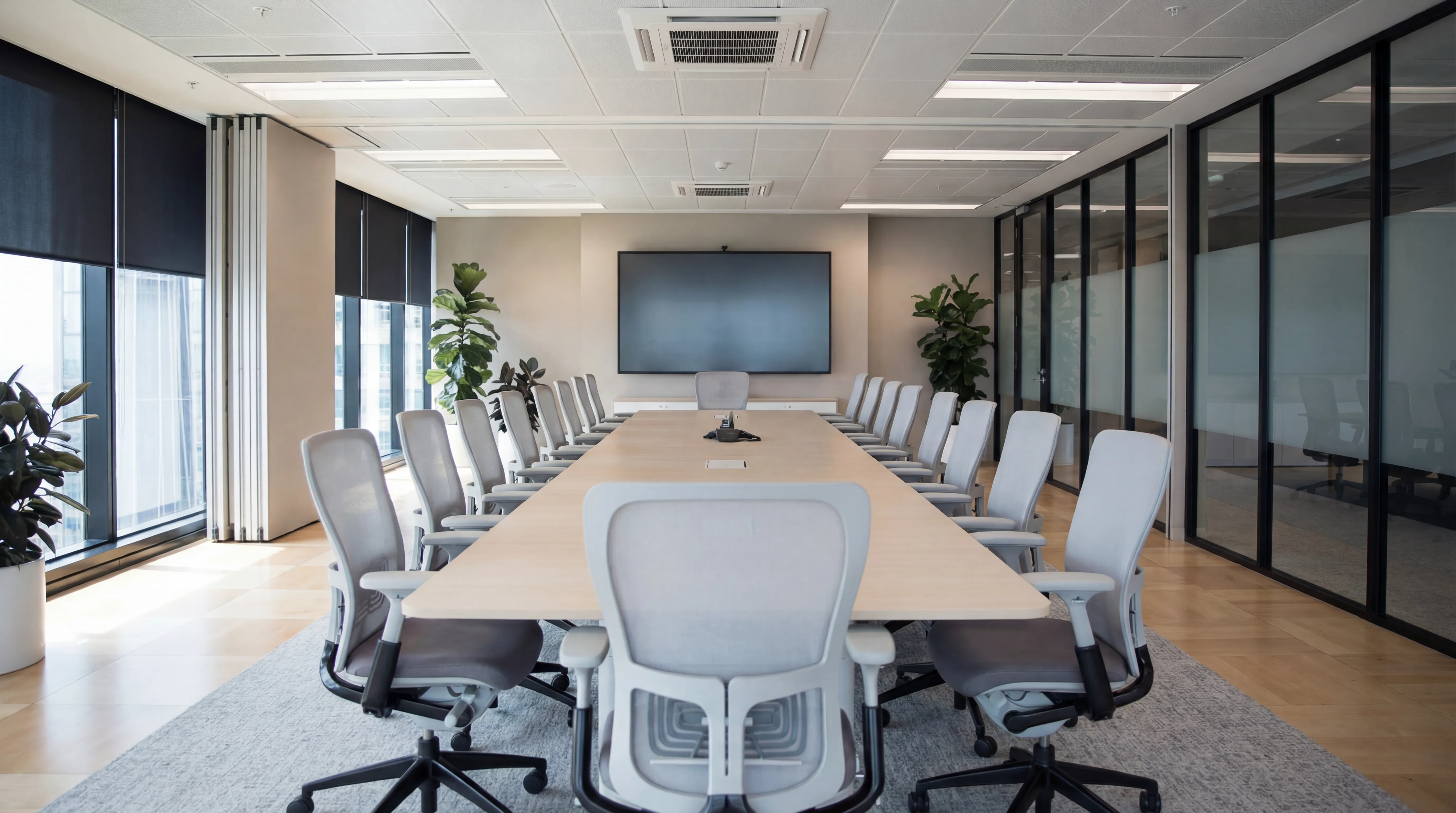
Office space is expensive. In UK cities, a medium-sized meeting room can represent £20,000-£50,000 per year in floor space cost when you account for rent, rates, and overheads. Yet in many offices, meeting rooms are simultaneously over-booked on paper and underused in practice, ghost meetings, over-sized bookings, and rooms that sit empty while other teams argue over availability. Room utilisation data is the tool that solves this.
The Ghost Meeting Problem
Calendar-based room booking data consistently overstates actual room use. Someone books a room for an hour, the meeting is cancelled or moves to a video call, but the room booking remains. The room shows as "occupied" in the system and other people can't book it, but it's sitting empty.
In many offices, the occupancy rate based on calendar bookings is 60-80%, while the actual physical occupancy, rooms with people in them, is closer to 30-50%. The gap represents wasted space that looks occupied on paper.
How Room Utilisation Sensors Work
Modern meeting room management platforms use a combination of data sources to measure actual occupancy:
- Motion sensors: passive infrared (PIR) or microwave sensors detect movement in the room. Simple and inexpensive, but only detect presence, they can't count people.
- Camera-based people counters: overhead cameras with on-device AI count the number of people in the room. No video is transmitted or stored, only the count. Accurate and useful for understanding whether room capacity is being used appropriately.
- CO₂ sensors: CO₂ levels rise when people are present. Provides a good proxy for occupancy and also useful for air quality management.
- Integration with room systems: Microsoft Teams Rooms Pro provides occupancy data as part of its analytics, drawing on the camera and audio hardware already in the room.
Room Booking Integration: Automatic Release
A practical and high-value application of occupancy data is automatic room release. When a room is booked but the system detects no occupancy by a certain time after the meeting was due to start (typically 5-10 minutes), the booking is automatically cancelled and the room becomes available to others.
This single feature, consistently deployed, significantly reduces ghost meeting impact. Room panels with a "check in" button, requiring the meeting organiser to confirm occupancy, achieve a similar outcome through a different mechanism.
Both approaches require a connected room booking system (such as Joan, Condeco, or the room booking features built into Teams Rooms and Microsoft Places) to act on the sensor or check-in data.
Right-Sizing Rooms with Capacity Data
People counter data reveals a pattern that surprises most facilities managers: a significant proportion of meeting room bookings use a small fraction of the room's capacity. A ten-person boardroom is routinely used for two-person conversations. A six-person meeting room hosts solo workers looking for a quiet space.
This data supports a portfolio rethink:
- More smaller rooms (2-4 person) and fewer large ones, if the data shows most meetings are small
- Dedicated focus booths for solo workers, reducing the inappropriate use of meeting rooms for individual work
- Hot-desk areas that can be converted to breakout spaces based on demand patterns
Decisions made on actual usage data rather than anecdote and guesswork lead to significantly better space allocation outcomes.
Understanding Peak Demand Patterns
Utilisation analytics typically show clear patterns in when rooms are in demand. Common findings:
- Tuesday-Thursday are significantly busier than Monday and Friday in hybrid working environments
- 10:00-12:00 and 14:00-16:00 are peak meeting times in most offices
- Certain rooms are consistently oversubscribed while others nearby are underused, often due to proximity to certain teams or availability of specific equipment
These patterns allow facilities teams to manage demand more actively: introducing booking windows (maximum advance booking period), staggering meeting start times, or physically adjusting the room portfolio over time.
The Link to Hybrid Working Strategy
For organisations managing a hybrid workforce, meeting room data has strategic significance beyond space planning. It answers questions like:
- What proportion of meetings involve at least one remote participant?
- Are rooms equipped for video conferencing being used for video conferencing, or primarily for in-person meetings?
- Are the rooms people are booking well-suited to the meetings they're hosting?
This intelligence shapes decisions about where to invest in AV equipment, how many hybrid-capable rooms the office needs, and whether the current space supports the way people are actually working.
Getting Started with Room Analytics
For organisations using Microsoft Teams Rooms, room analytics are already available through the Teams Rooms Pro licence. For broader deployment, dedicated room management platforms integrate with multiple room types and provide richer reporting.
The starting point for most organisations is simply enabling the data collection and reporting that their existing systems already support, this alone typically reveals enough to make a case for space or equipment investment decisions.
Want to understand how your meeting rooms are actually being used? future® Office can help you deploy room utilisation monitoring alongside a meeting room technology refresh. Talk to the team about a room analytics project.
Managed Print
Reduce print costs, eliminate downtime, and keep your devices running with a managed print service tailored to your business.
Workplace IT
From device procurement to lifecycle management, we keep your teams equipped with the right technology.
Meeting Rooms
Professional video conferencing, presentation systems, and collaboration tools that make every meeting count.
Visitor Systems
Modern digital sign-in, badge printing, and GDPR-compliant visitor management for a professional first impression.
Ready to discuss your workplace technology?
Talk to the team today. We will assess your needs, build you a tailored solution, and support you every step of the way.