.png)



Net zero has moved from an aspiration to an operational requirement for many UK businesses. Whether you're responding to customer expectations, supply chain requirements, investor pressure, or your own board-level commitments, the pressure to demonstrate credible emissions reduction is intensifying. Office technology, IT devices, printers, meeting room systems, and related infrastructure, represents a meaningful and manageable slice of a typical business's carbon footprint. This post explains how to approach it systematically.
Understanding Your Technology Carbon Footprint
Before setting reduction targets, you need to understand what you're working with. The carbon footprint of office technology falls across three Scope categories:
Scope 1 and 2: Direct and Energy-Related Emissions
The electricity consumed by your office technology, computers, printers, displays, servers, creates Scope 2 emissions (purchased electricity). If your organisation's operations involve any direct combustion (on-site generators, gas-powered processes), those are Scope 1. For most professional services offices, Scope 2 from electricity is the dominant category.
Reducing Scope 2 emissions from technology involves:
- Reducing energy consumption directly (power management, efficient devices, right-sizing fleets)
- Switching to a renewable electricity tariff, this doesn't reduce consumption but does reduce the carbon factor of each kWh consumed
Scope 3: The Larger and More Complex Category
Scope 3 emissions are upstream and downstream emissions in your value chain. For office technology, the most significant Scope 3 categories are:
- Purchased goods and services (Category 1): the embodied carbon in manufacturing the devices you procure. A mid-range laptop typically has a manufacturing carbon footprint of 200-400kg CO₂e, before it uses a single watt of electricity.
- Waste disposal (Category 5): end-of-life disposal of devices, paper, and consumables.
- Employee commuting (Category 7): business travel and commuting linked to office attendance, relevant where technology decisions affect how often staff need to come to the office.
- Business travel (Category 6): video conferencing technology directly enables travel substitution.
Most organisations focusing seriously on net zero find that Scope 3 represents the majority of their total footprint, and that technology procurement decisions have a disproportionate impact on it.
Procurement as a Carbon Decision
Every time you buy a new device, you're making a carbon decision. The embodied carbon in a new laptop is effectively locked in at purchase, it will be emitted regardless of how efficiently you use the device. This makes procurement strategy central to Scope 3 reduction.
Key principles:
- Extend device lifetimes: keeping a device in use for four years rather than three reduces its annualised embodied carbon footprint by 25%. This is the single most impactful technology carbon reduction available to most businesses.
- Prioritise Energy Star and EPEAT-certified devices: these certifications indicate lower energy consumption in use and reduced hazardous materials. EPEAT Gold provides the most comprehensive environmental assessment.
- Choose manufacturers with credible circularity commitments: take-back programmes, refurbishment capabilities, and recycled-content materials reduce the upstream and downstream carbon footprint of the device.
- Consider refurbished devices: for lower-intensity roles, a professionally refurbished device eliminates the manufacturing carbon footprint entirely. Reputable ITAD providers supply refurbished devices with warranties.
Video Conferencing as a Sustainability Tool
Meeting room technology that enables effective video conferencing directly substitutes for business travel, one of the highest-carbon activities for most professional services businesses. A return flight from London to Edinburgh produces roughly 0.2 tonnes of CO₂e per passenger. A high-quality video call that genuinely replaces that trip is a tangible and measurable carbon saving.
The key qualifier is "genuinely replaces". For video conferencing to substitute for travel, it needs to work well enough that people choose it over travel. Poor audio quality, connection issues, and technology that makes participants feel less engaged than they would in person create pressure to travel even when it isn't strictly necessary.
Investing in high-quality meeting room technology has a sustainability return as well as a productivity one.
Paperless Processes and Digital Workflows
Paper production, transport, and disposal all have carbon costs. Digitising paper-based processes, expense reports, purchase orders, contracts, visitor sign-in, reduces paper consumption and typically also reduces storage requirements and administrative overhead.
A digital visitor management system replaces paper sign-in books and printed visitor badges with electronic records. Document management software reduces the need to print, file, and physically retrieve paper documents. Electronic signature platforms (DocuSign, Adobe Sign) eliminate the print-sign-scan cycle for contracts.
These changes are often primarily driven by efficiency rather than sustainability, the carbon reduction is a secondary benefit that contributes to the overall footprint reduction.
Measuring and Reporting
Net zero claims require data. The GHG Protocol framework (Scope 1, 2, and 3) is the standard for corporate carbon accounting, and most third-party frameworks (CDP, TCFD, SBTi) build on it. For technology-specific emissions:
- Energy consumption data comes from smart metering and building management systems
- Device manufacturing carbon data comes from manufacturer-published product carbon footprint documentation or the EPEAT database
- Waste data comes from ITAD providers' destruction and recycling certificates
- Travel substitution savings require estimating what would have been travelled without the video conferencing capability
Collecting this data systematically from the outset, rather than reconstructing it annually, is much more efficient and produces more reliable numbers.
Supplier Sustainability Requirements
If your organisation is subject to supply chain sustainability requirements from clients, it's worth noting that your technology providers are also part of your supply chain. Choosing managed service providers who can demonstrate their own sustainability credentials, energy efficiency, responsible disposal, supply chain ethics, contributes to a coherent Scope 3 reduction story.
Looking for a technology partner who takes sustainability seriously? future® Office provides sustainable managed services across print, IT, and meeting room technology. Find out about our approach to sustainable office technology.
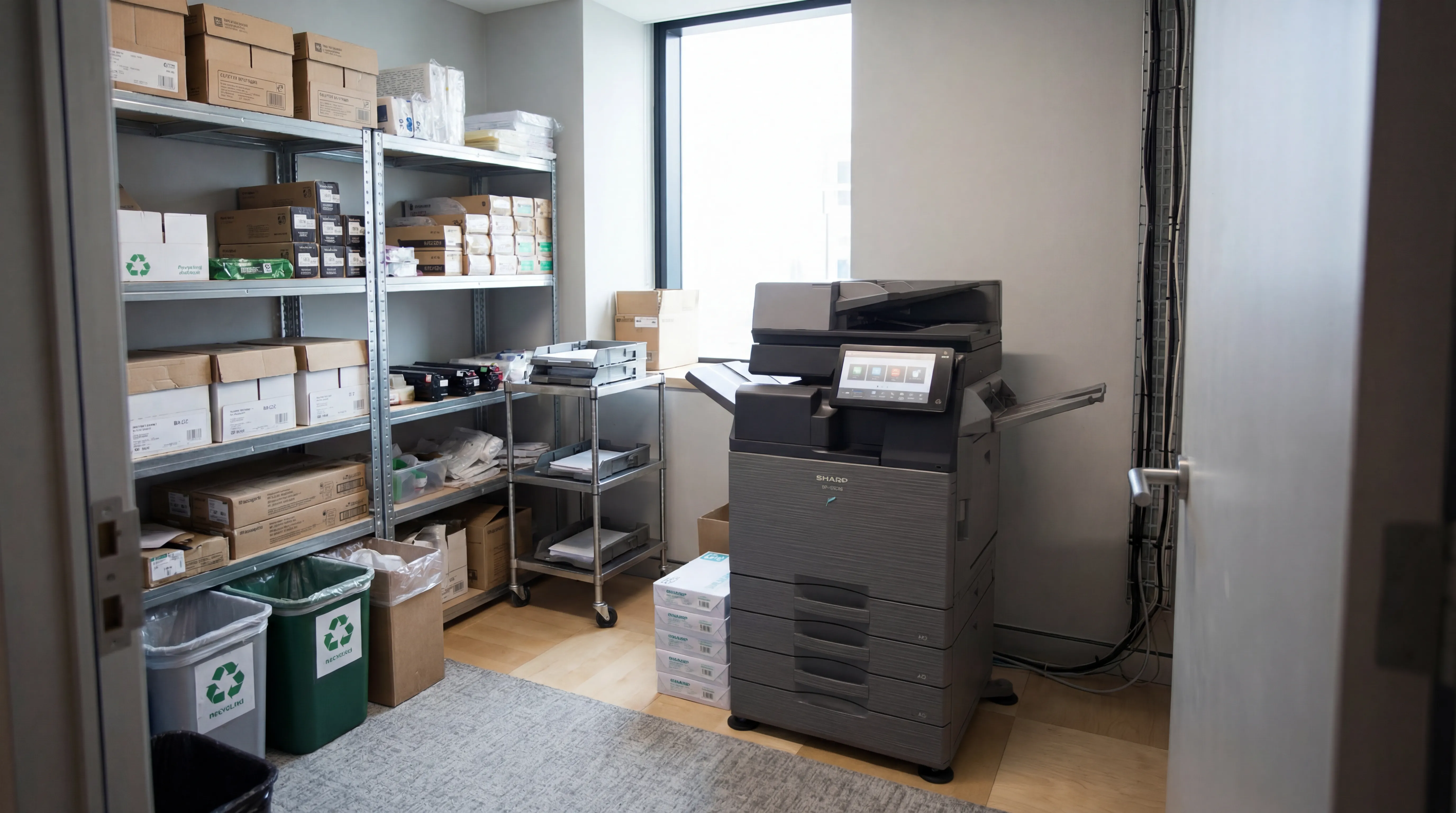
Managed Print
Reduce print costs, eliminate downtime, and keep your devices running with a managed print service tailored to your business.

Workplace IT
From device procurement to lifecycle management, we keep your teams equipped with the right technology.
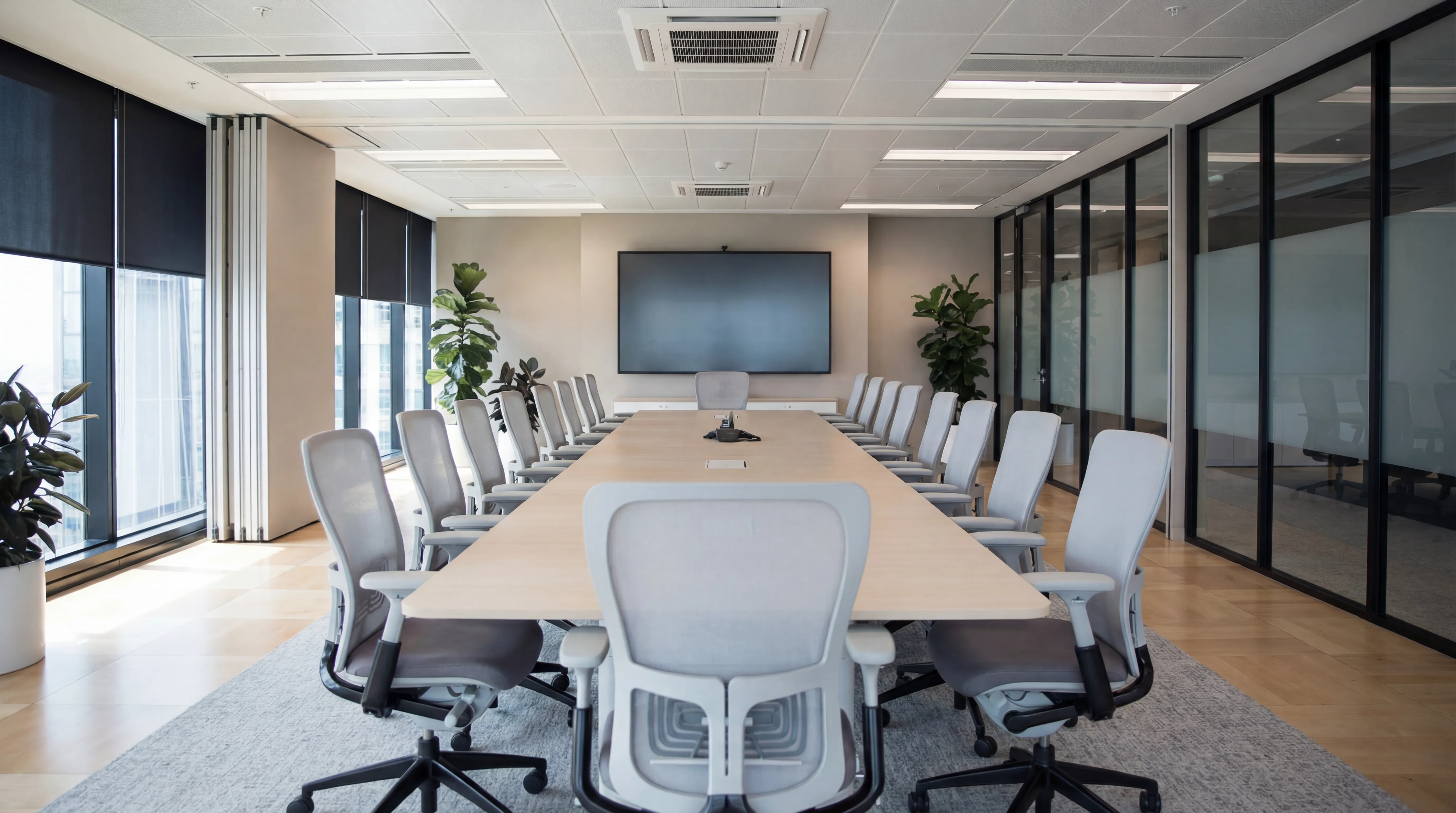
Meeting Rooms
Professional video conferencing, presentation systems, and collaboration tools that make every meeting count.
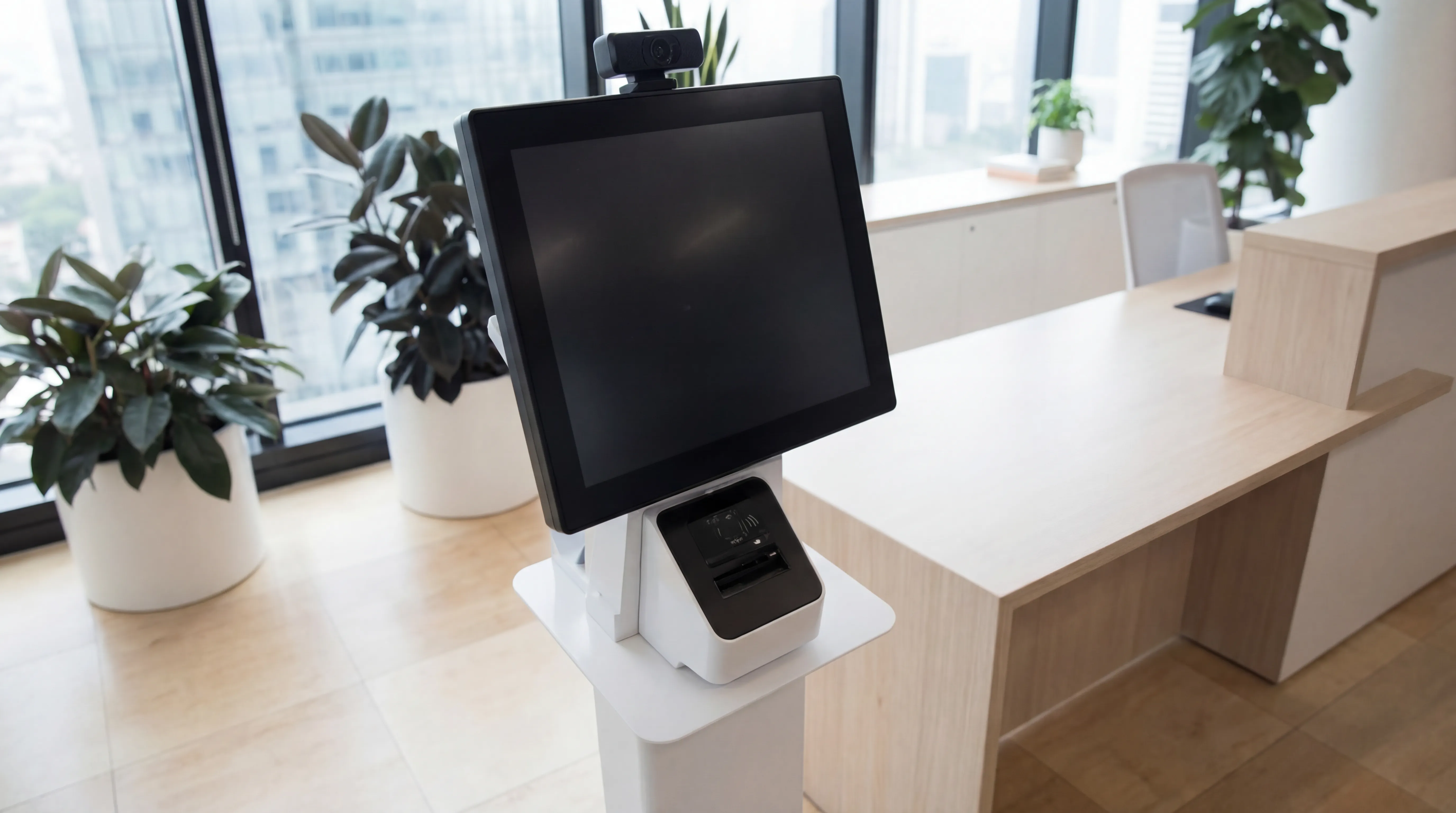
Visitor Systems
Modern digital sign-in, badge printing, and GDPR-compliant visitor management for a professional first impression.
Ready to discuss your workplace technology?
Talk to the team today. We will assess your needs, build you a tailored solution, and support you every step of the way.