.png)


.webp)
When it's time to refresh your print fleet, the fundamental question isn't which device to buy, it's whether to buy at all. Managed print services have become the default choice for many UK organisations, but outright purchase still makes sense in specific circumstances. This guide lays out the honest trade-offs so you can make the right call for your business.
The Case for Outright Purchase
Buying printers outright appeals for straightforward reasons:
- No ongoing contractual commitment
- Full ownership from day one
- Simple, one-line capital expenditure
- No per-page charges accumulating over time
For very small offices with low print volumes, typically under 1,000 pages per month, and where someone with IT skills can manage the odd maintenance issue, outright purchase can be economical. A single mid-range laser printer costing £200-£400 might serve a small team adequately for several years.
The Hidden Costs of "Just Buying a Printer"
The problem with outright purchase at scale is that the upfront price is only part of the picture. Once you account for everything that goes with a printer, the total cost of ownership often looks very different.
Consumables
Toner cartridges for office printers can cost £30-£150 each depending on the device and yield. If staff are ordering consumables ad hoc, you may be buying small-yield cartridges at high cost-per-page rather than high-yield alternatives. There's rarely anyone optimising this.
Maintenance and Repairs
When an owned printer breaks down, the cost falls entirely on you: engineer callout, parts, and the time your staff spend managing the process. On older devices, parts can be hard to source and expensive. Downtime has a cost too, in many offices, a broken printer disrupts more workflow than people realise until it happens.
IT Management Time
Driver updates, network configuration, user troubleshooting, connectivity issues, printers consume IT time. That time has a cost, even when it doesn't show up on a specific print budget line.
Device Proliferation
Organisations that manage their own fleet tend to accumulate devices over time. Replacing one printer often means the old one gets moved rather than retired. The result is a sprawling fleet of mismatched devices, each with its own consumable type and its own maintenance history.
What You Get with a Managed Print Service
A managed print contract bundles device, consumables, maintenance, and software into a predictable monthly cost based on pages printed. Key advantages:
Predictable Budgeting
A fixed cost per page means your print spend is forecastable. There are no surprise repair bills, no consumable ordering spikes, no end-of-lease asset write-downs. Finance teams tend to prefer this model.
Automatic Consumable Replenishment
Remote monitoring software tracks toner levels in real time and dispatches replacements automatically, typically before you run out. Nobody needs to remember to order ink.
Guaranteed Response Times
Most MPS contracts specify a maximum response time for device failures, often four hours on-site, sometimes less. That's a very different experience from logging a call with a manufacturer's support line and waiting days for a response.
Fleet Right-Sizing
A good provider will assess your actual usage patterns and recommend the right number and type of devices. Most organisations end up with fewer devices than they started with, which in itself reduces costs.
The Lease Option: A Middle Ground
Some businesses choose to lease devices without a full managed print service, essentially financing the hardware while managing consumables and maintenance themselves. This preserves capital and spreads the cost, but retains the operational complexity of self-management. It can work well for businesses with strong in-house IT capability and disciplined procurement processes.
How to Decide
Ask yourself these questions:
- How many pages do you print per month? Above roughly 2,000-3,000 pages across your organisation, managed print typically becomes cost-competitive.
- Do you have IT resources to manage devices and consumables? If not, managed print removes that burden entirely.
- How important is uptime? For businesses where printing is operationally critical, guaranteed response times matter enormously.
- Do you need reporting and cost allocation? If finance wants department-level print cost visibility, you need management software, which typically comes with an MPS.
- What's your appetite for capital expenditure? MPS converts a capital cost to an operating cost, which can have tax and accounting implications worth discussing with your finance team.
The Bottom Line
Outright purchase is simpler but scales poorly. Managed print adds contractual structure but removes operational headaches and almost always reduces total cost at meaningful volumes. For most UK offices with five or more users and regular print requirements, the managed model delivers better value, and more importantly, predictability.
Not sure which approach suits your situation? future® Office provides impartial advice alongside any print assessment, including whether a managed service genuinely makes sense for your volumes. Get in touch for a no-pressure conversation.
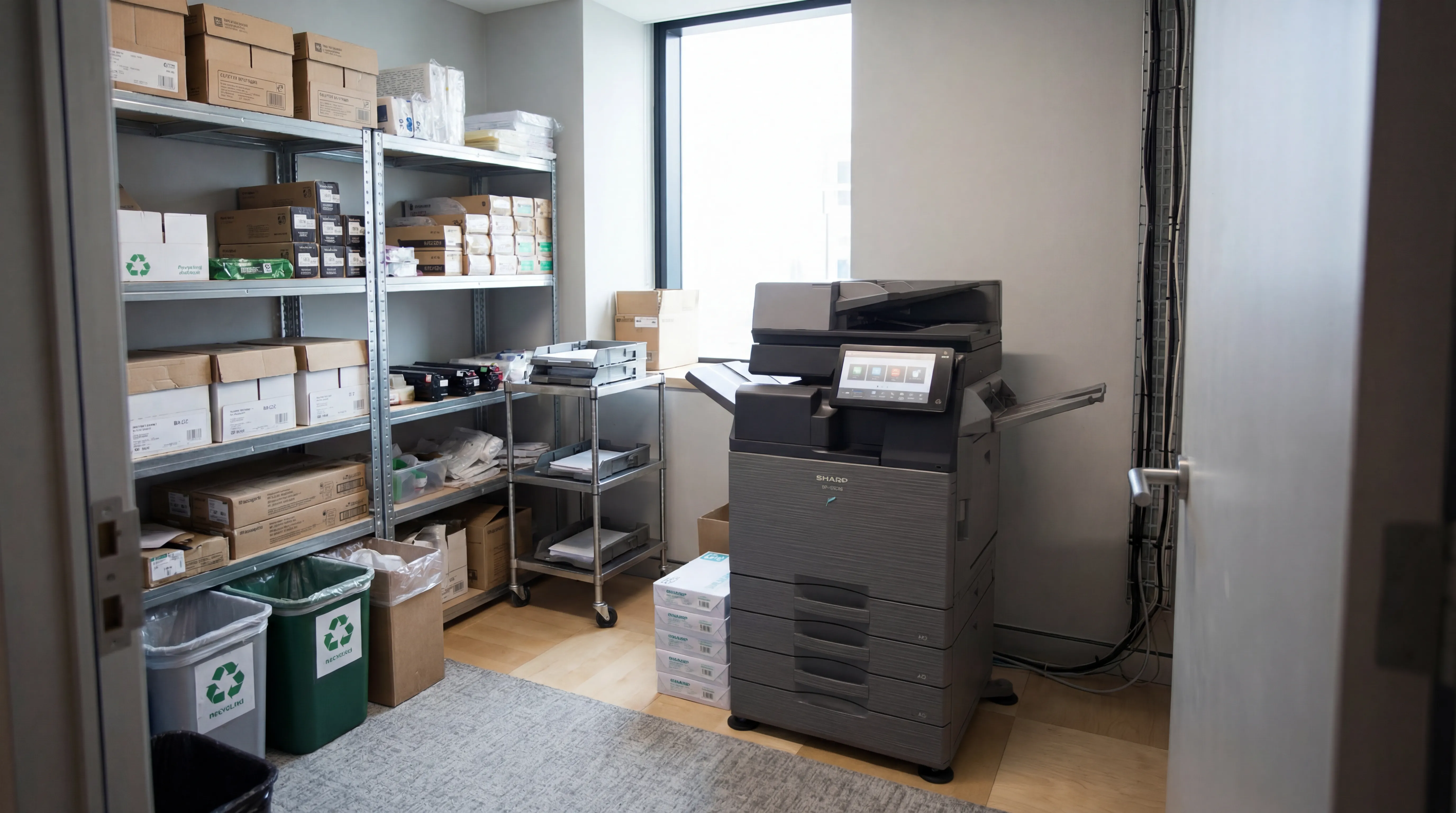
Managed Print
Reduce print costs, eliminate downtime, and keep your devices running with a managed print service tailored to your business.

Workplace IT
From device procurement to lifecycle management, we keep your teams equipped with the right technology.

Meeting Rooms
Professional video conferencing, presentation systems, and collaboration tools that make every meeting count.
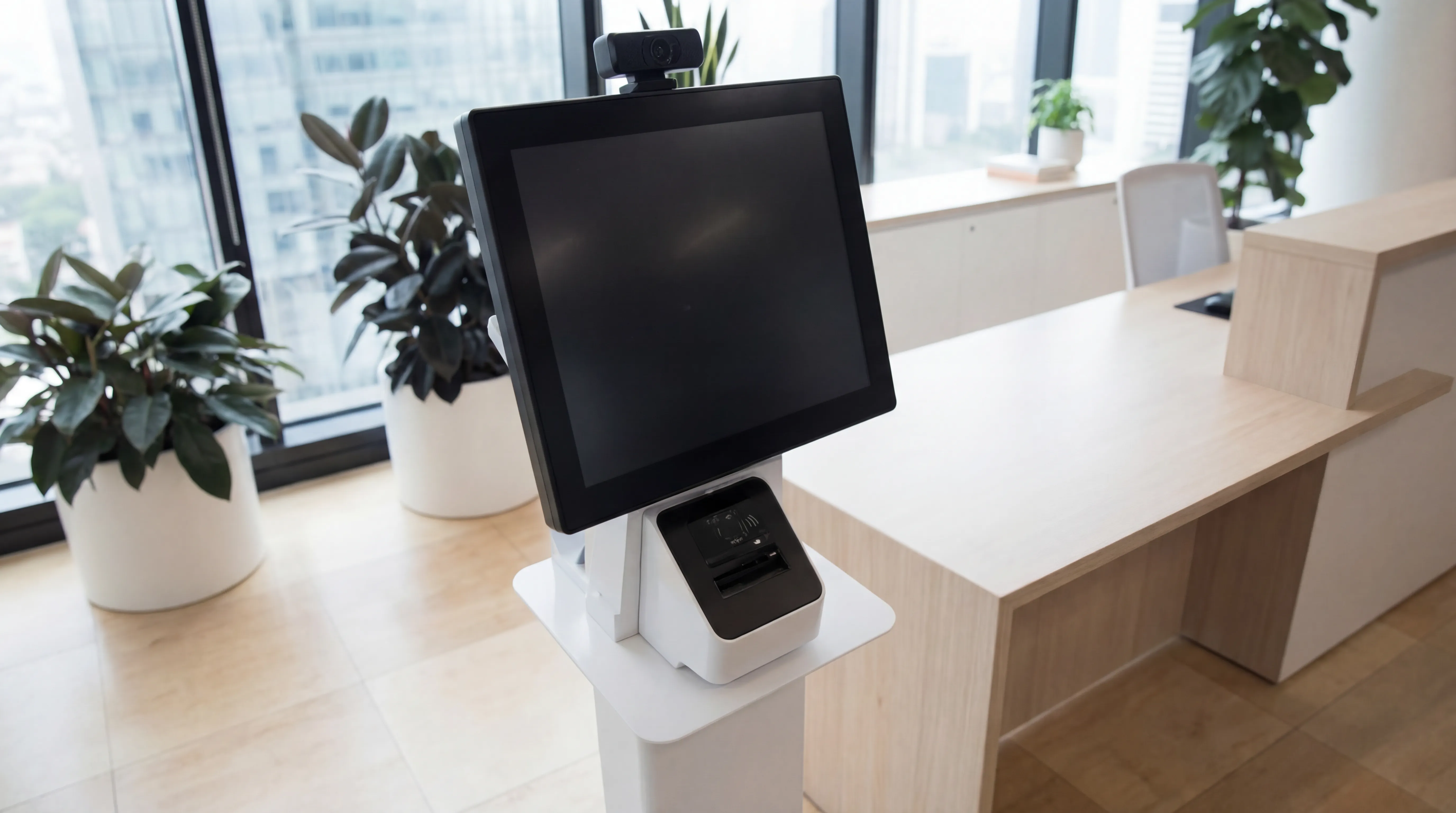
Visitor Systems
Modern digital sign-in, badge printing, and GDPR-compliant visitor management for a professional first impression.
Ready to discuss your workplace technology?
Talk to the team today. We will assess your needs, build you a tailored solution, and support you every step of the way.