.png)


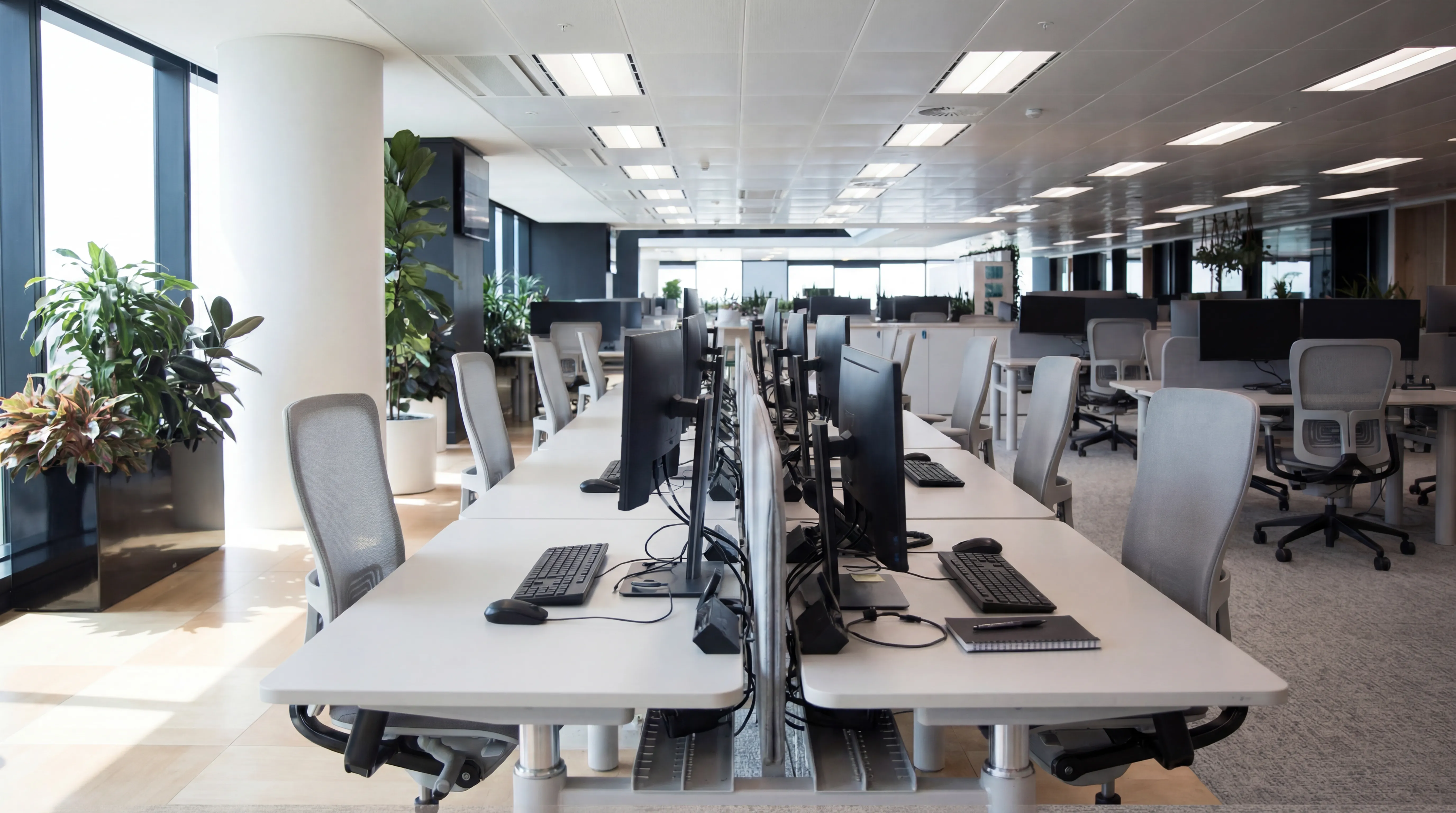
Energy costs in UK commercial premises have risen substantially in recent years, and with net zero commitments increasingly driving corporate strategy, reducing office energy consumption matters both financially and environmentally. The good news is that office energy efficiency improvements don't require major capital investment, many of the highest-impact changes are operational or involve relatively modest technology upgrades. This guide covers where the energy goes in a typical UK office and what can realistically be done about it.
Where Office Energy Goes
In a typical UK office building, energy consumption breaks down roughly as:
- Heating, ventilation, and air conditioning (HVAC): typically the largest category, often 40-50% of total consumption
- Lighting: typically 20-30% in offices with older lighting systems
- IT and office equipment: computers, monitors, printers, servers, typically 15-25%
- Other: lifts, catering equipment, miscellaneous plug loads
The proportions vary significantly depending on building age, construction, and the nature of the business. IT-heavy businesses, data centres, and organisations running specialist equipment will have very different profiles from a typical professional services office.
Lighting: LED Upgrades and Smart Controls
If your office still has fluorescent tube lighting, upgrading to LED is one of the clearest energy efficiency investments available. LED tubes and panels typically consume 50-70% less energy than their fluorescent equivalents, with a payback period in commercial settings commonly in the range of 18 months to three years depending on operating hours and energy tariff.
Beyond LED, smart lighting controls add further savings:
- Occupancy sensors: lights automatically switch off in unoccupied areas, meeting rooms, toilets, corridors. This is particularly effective in hybrid working environments where many areas are unoccupied during the working day.
- Daylight harvesting: sensors measure natural light levels and dim artificial lighting proportionally, maintaining consistent light levels while reducing energy use when daylight is abundant.
- Zoned controls: dividing the office into separately controllable lighting zones allows individual areas to be managed without affecting the whole floor.
IT Equipment: The Standby and Always-On Problem
IT equipment that is left on unnecessarily is a significant and easily addressed source of waste. Common issues:
- Desktop computers and monitors left on overnight and at weekends
- Printers and MFDs that don't enter deep sleep mode outside working hours
- Meeting room AV equipment powered on continuously
- Server infrastructure sized for peak demand running at low utilisation outside peak periods
Practical measures:
- Configure power management settings centrally via group policy (Windows) or MDM, requiring all managed devices to enter sleep after a defined period of inactivity and to shut down at a scheduled time
- Configure printer and MFD power schedules to match actual working hours
- Use smart power strips or individually switched sockets for meeting room AV equipment
- Review server utilisation and consider virtualisation or cloud migration for underutilised on-premise infrastructure
Meeting Rooms: A Significant Energy Consumer
Meeting rooms are often poorly managed from an energy perspective. A room with a 65-inch display, a video conferencing system, and supplementary lighting can draw 300-500W when in use, and in many offices, this equipment is left running between bookings, overnight, and at weekends.
Meeting room energy management options:
- Modern Teams Rooms and Zoom Rooms systems include power management features, devices can be configured to power down displays and go to sleep when the room is unoccupied
- Room occupancy sensors can trigger automatic shutdown of AV equipment when no presence is detected
- Room booking systems can be configured to shut down AV equipment at the end of a meeting's scheduled duration
- A scheduled overnight power-off for all AV equipment captures the hours of greatest waste
HVAC: The Biggest Lever
Heating and cooling is typically the largest energy cost in a commercial building, and it's also one of the most amenable to intelligent management. Building management systems (BMS) that can be programmed or remotely controlled allow heating and cooling to be precisely matched to occupancy.
In a hybrid working environment, this matters more than it used to. A building designed for 100 people, now occupied by 40 on any given day and with variable attendance by day of the week, doesn't need the same heating and cooling profile it was originally designed for. BMS systems that integrate with room booking and access control data can adjust HVAC dynamically based on actual occupancy rather than a fixed schedule.
For organisations without a sophisticated BMS, simpler measures still have impact:
- Ensuring heating setback temperatures are correct for out-of-hours periods
- Checking that thermostats are positioned and calibrated correctly
- Addressing draughts and poor insulation that force heating systems to work harder
- Reviewing ventilation rates, many offices over-ventilate, wasting energy on heating fresh air that isn't needed
Monitoring and Reporting
Energy management without measurement is guesswork. Smart electricity meters and energy monitoring systems that show consumption by circuit, floor, or area allow you to identify where energy is being used and whether interventions are working. Many UK energy suppliers now offer half-hourly smart meter data through online portals or API access, this data is the starting point for any serious energy efficiency programme.
For organisations with sustainability reporting obligations, energy consumption data feeds directly into carbon reporting (Scope 1 and Scope 2 emissions) and is the evidence base for reduction claims.
The Business Case
Energy efficiency investment pays back on a timeline that depends on tariff costs, operating hours, and the scale of the investment. In the current UK energy environment, LED lighting upgrades, power management configuration, and HVAC scheduling improvements typically deliver payback within two to three years, and reduce ongoing operating costs permanently thereafter.
Looking to reduce energy consumption from your office technology? future® Office can advise on energy-efficient device procurement, print fleet power management, and meeting room AV energy settings. Talk to the team about sustainable office technology.
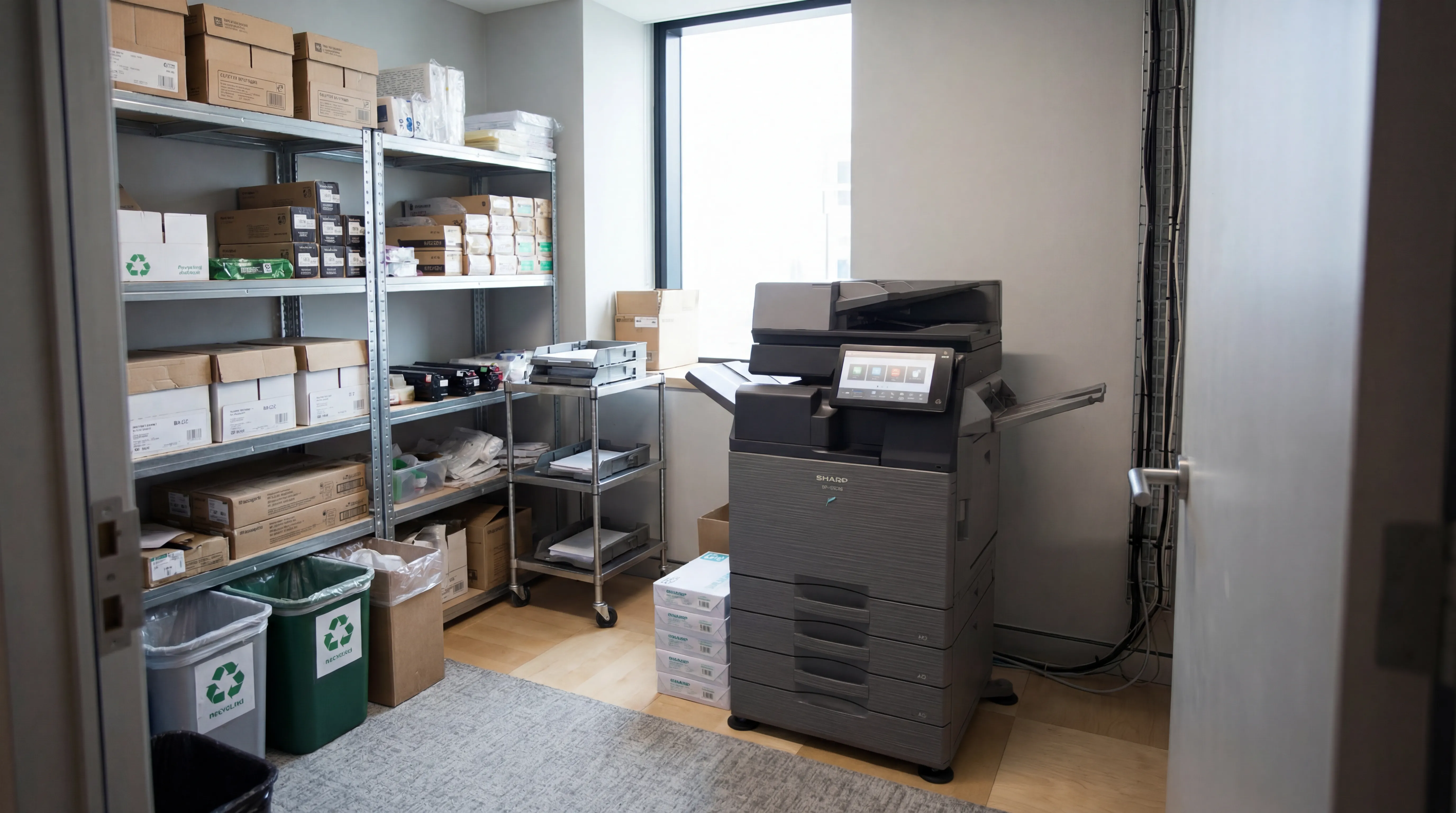
Managed Print
Reduce print costs, eliminate downtime, and keep your devices running with a managed print service tailored to your business.
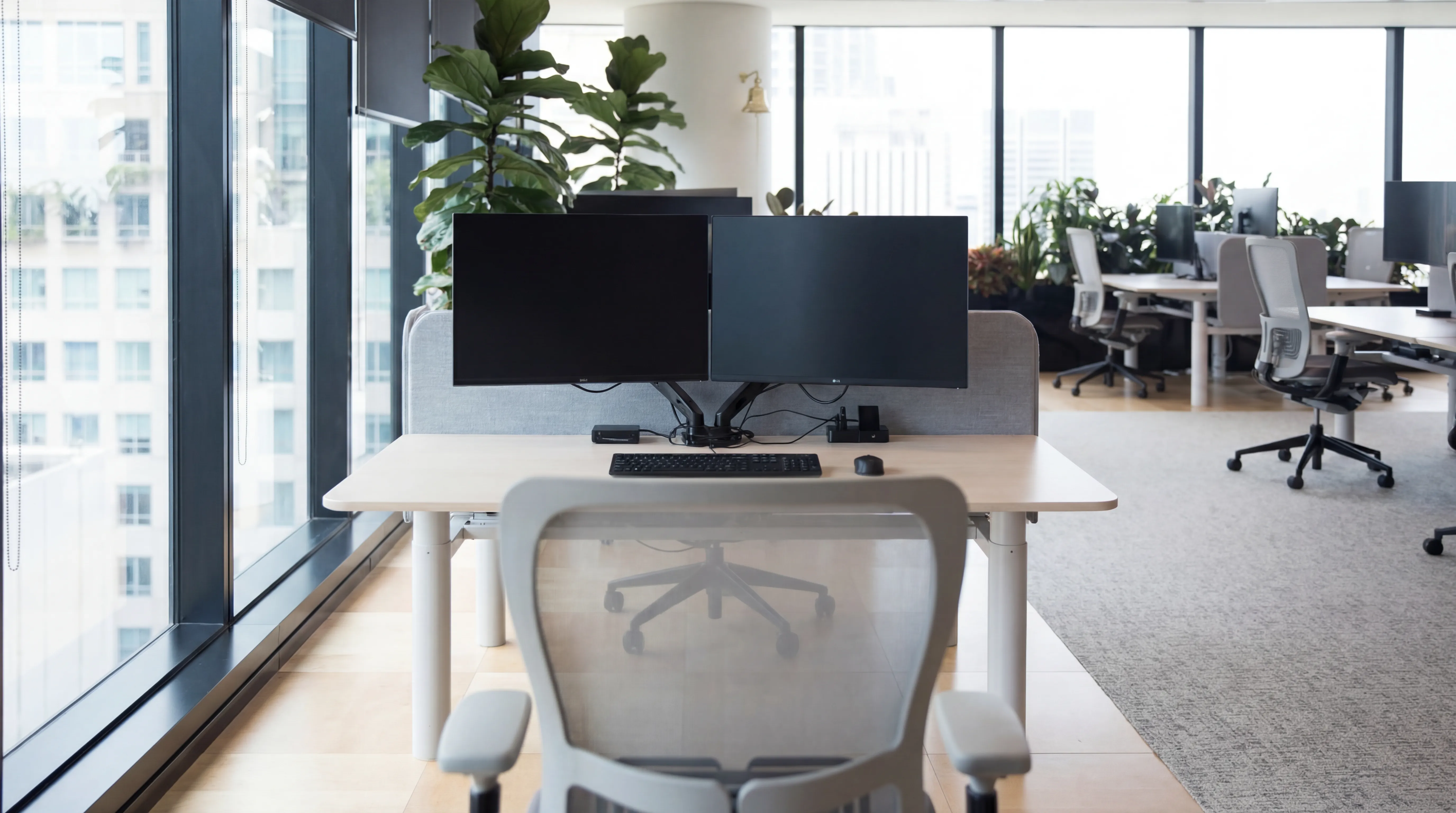
Workplace IT
From device procurement to lifecycle management, we keep your teams equipped with the right technology.
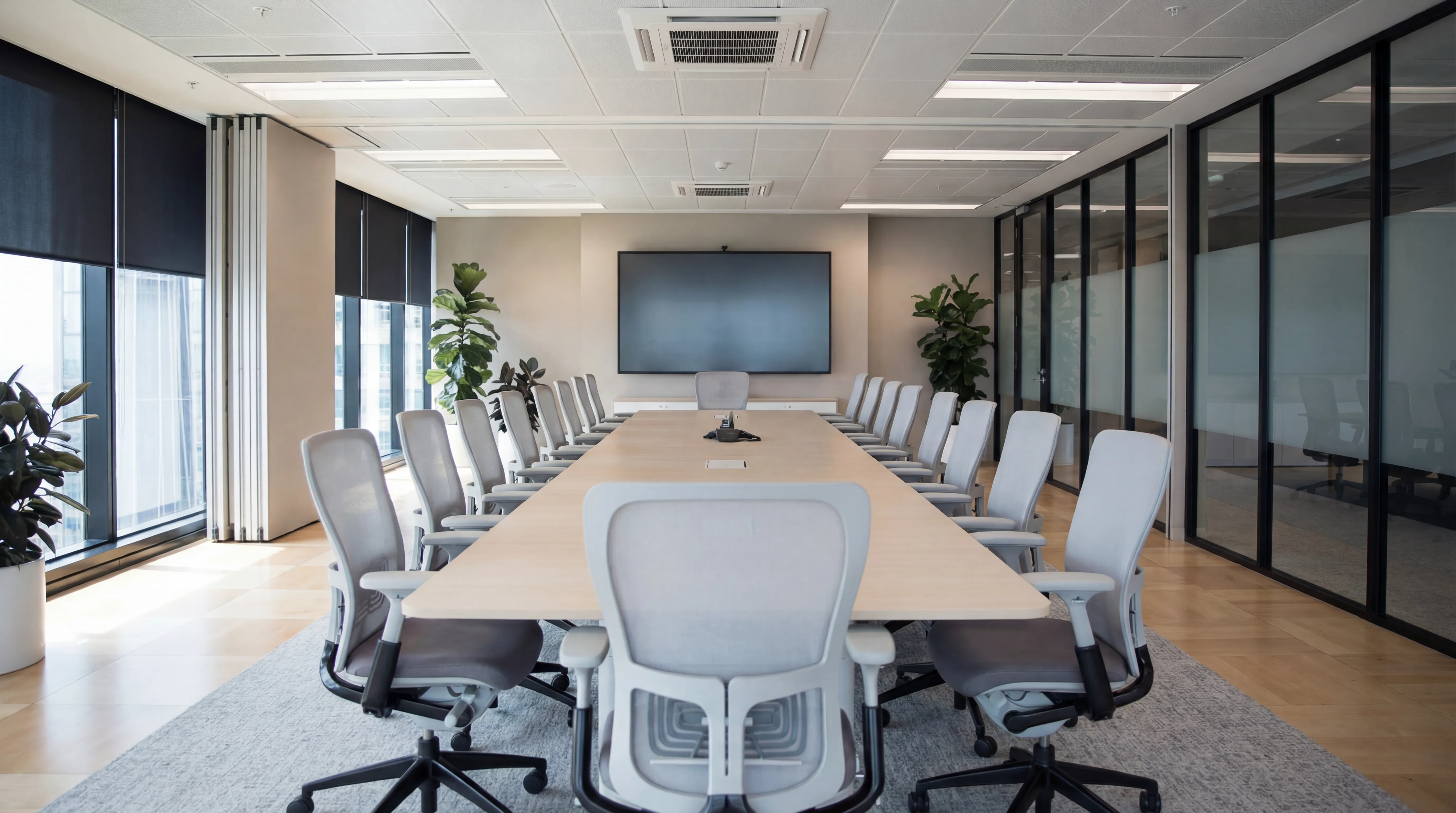
Meeting Rooms
Professional video conferencing, presentation systems, and collaboration tools that make every meeting count.
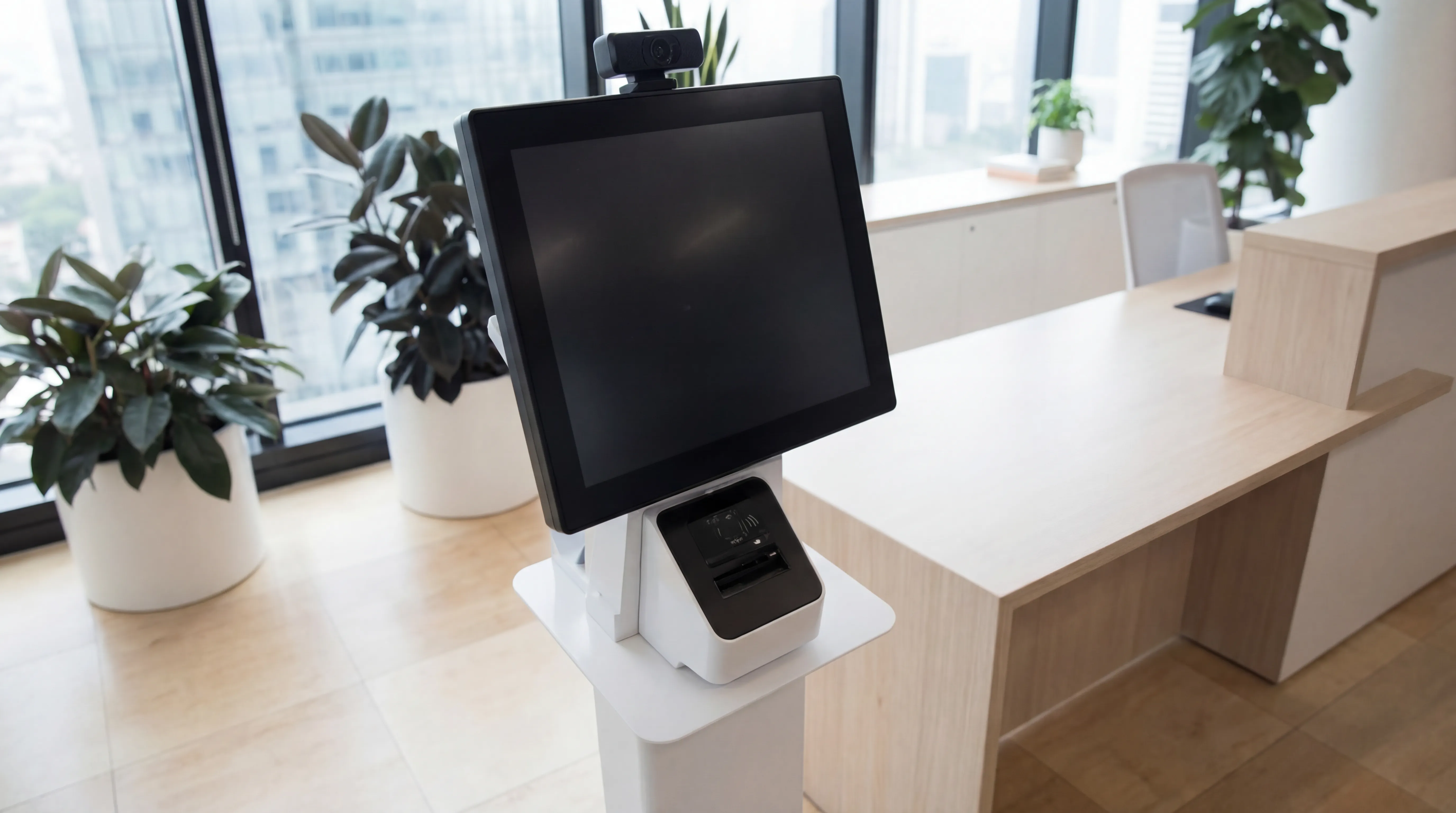
Visitor Systems
Modern digital sign-in, badge printing, and GDPR-compliant visitor management for a professional first impression.
Ready to discuss your workplace technology?
Talk to the team today. We will assess your needs, build you a tailored solution, and support you every step of the way.