.png)


The circular economy has moved from academic concept to commercial reality. For businesses buying and managing office technology, it translates into concrete procurement, usage, and disposal decisions that reduce cost, environmental impact, and regulatory risk simultaneously. This guide explains what circular economy principles look like when applied to the printers, computers, and meeting room systems in a typical UK office.
What the Circular Economy Actually Means
The linear economy model, extract, manufacture, use, dispose, has dominated the production of technology goods for decades. The circular economy model aims to keep materials in use for as long as possible through a hierarchy of approaches:
- Reduce: produce and consume less in the first place
- Reuse: extend the life of products and components without reprocessing
- Repair: fix things that can be fixed rather than replacing them
- Refurbish: restore products to working condition for a second life
- Recycle: recover materials for reprocessing when higher-order options are exhausted
In the context of office technology, applying this hierarchy means making different decisions at every stage of the device lifecycle.
Buying Devices That Last: Repairability and Longevity
Not all devices are equally repairable. Consumer-grade hardware is often designed for replacement rather than repair, adhesive bonding, non-standard screws, and soldered-in batteries make component replacement difficult or impossible. Commercial-grade hardware from manufacturers that have adopted circular design principles typically offers:
- Available spare parts for the duration of the product's commercial life
- Modular design that allows RAM, storage, and batteries to be upgraded
- Manufacturer-supported repair programmes with trained technicians
- Published product carbon footprint data that includes end-of-life assumptions
When procuring devices with longevity as a criterion, look for EPEAT certification (which includes repairability in its scoring), manufacturer take-back commitments, and availability of a service contract that keeps the device in good working order through a longer lifecycle.
Repair Before Replace
A device that needs a new battery, a screen replacement, or a storage upgrade is not a device that needs to be retired. Yet many organisations default to replacement rather than repair, partly because the repair process feels more effortful, and partly because the total cost of ownership calculation often doesn't capture the carbon and cost of manufacturing a new device.
Building a repair-first policy into IT lifecycle management means:
- Creating a defined threshold, for example, a device is repaired if the cost is less than 30% of a new equivalent
- Working with an IT partner who can perform component-level repairs, not just full replacements
- Tracking repair costs per device to identify devices that have become uneconomical to maintain
Redeployment: The Forgotten Middle Ground
Between "device performing well in primary role" and "device retired" lies a valuable middle ground: redeployment. A laptop that's too slow for a developer or finance analyst may be perfectly adequate for a reception workstation, visitor kiosk, or meeting room controller. A printer that's too slow for a busy print room may be appropriate for a low-volume departmental location.
Building redeployment into the lifecycle process, maintaining a clear picture of which devices are available for redeployment and which lower-intensity roles they could fill, extends the useful life of hardware without any additional investment.
Refurbished Devices: A Serious Option
The market for professionally refurbished IT devices has matured considerably. Reputable ITAD providers sell refurbished business-grade laptops and desktops with warranties of 12 months or more. These devices:
- Have been tested and restored to working condition
- Have had data securely wiped from previous owners
- Carry no embodied carbon from new manufacturing
- Cost typically 30-50% less than new equivalents
For lower-intensity roles, shared workstations, reception, meeting room systems, temporary staff, refurbished devices are a practical choice that reduces both cost and environmental impact. The main caveat is choosing a reputable supplier and ensuring warranty terms are adequate for your needs.
Managed Print Services and Circular Economy
Managed print services align well with circular economy principles:
- Devices are maintained in good working condition throughout the contract, extending useful life
- Preventive maintenance reduces failures that would otherwise lead to premature retirement
- Toner cartridge return programmes collect used cartridges for recycling or refilling
- At end of contract, devices are returned to the provider for redeployment, refurbishment, or responsible recycling, not left with the customer to dispose of ad hoc
- Fleet right-sizing reduces the total number of devices in circulation
The circular economy case for managed print, fewer devices, longer lives, responsible end of life, is often more compelling than the purely financial one for organisations with sustainability commitments.
Communicating Your Circular Economy Approach
For organisations with sustainability reporting requirements or supply chain questionnaires, being able to articulate a clear circular economy approach to office technology has practical value. Key elements to document:
- Device lifetime policy (target years before replacement)
- Repair vs replace threshold
- Proportion of new vs refurbished devices procured annually
- Disposal partner and certification (WEEE-compliant, data destruction certificated)
- Toner and consumable recycling participation
None of this requires perfection, it requires honest, documented practice that demonstrates continuous improvement.
Looking for a technology partner who can support your circular economy commitments? future® Office provides lifecycle management for print, IT, and meeting room systems with sustainability built in. Explore how we approach sustainable technology management.
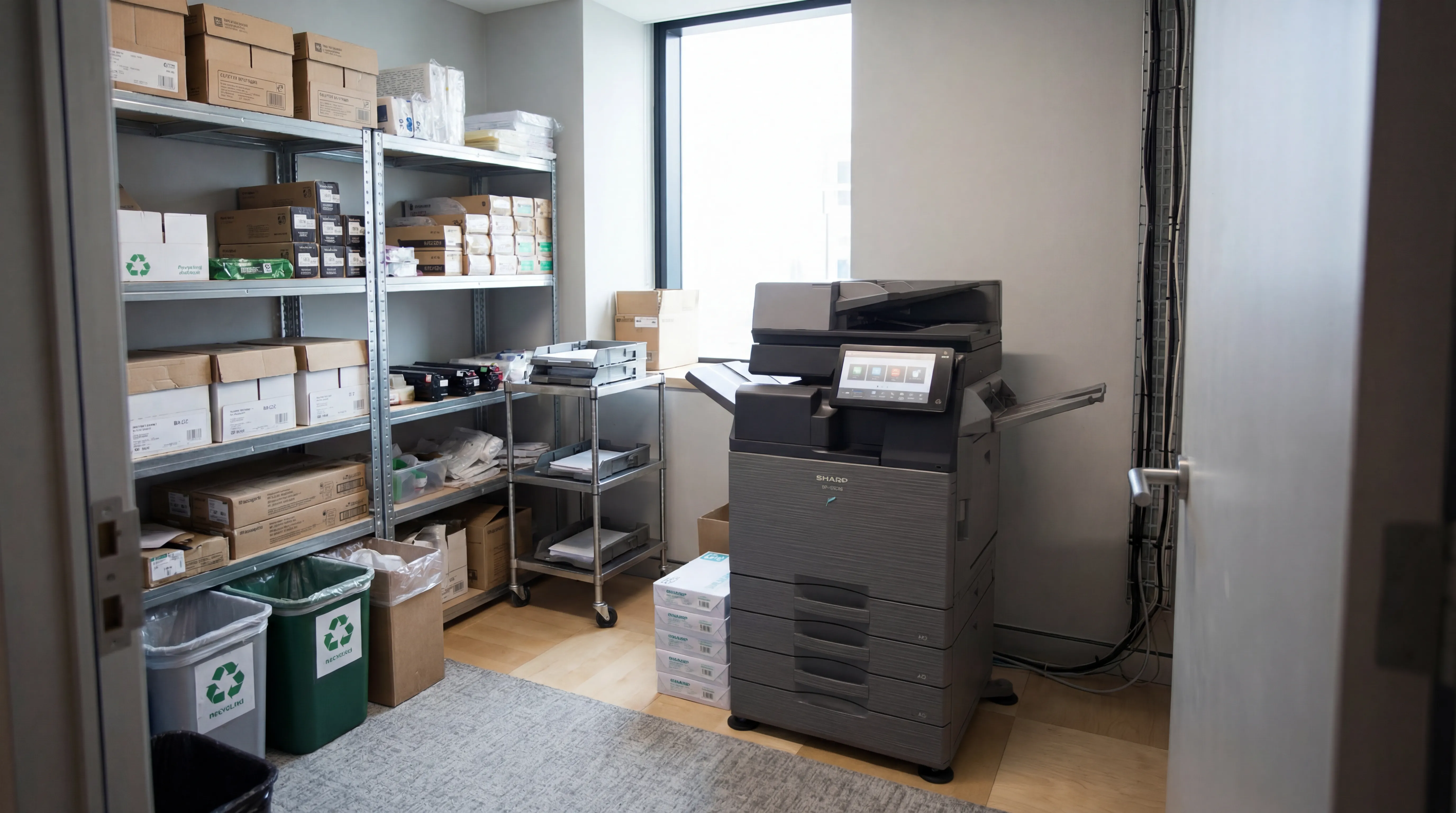
Managed Print
Reduce print costs, eliminate downtime, and keep your devices running with a managed print service tailored to your business.

Workplace IT
From device procurement to lifecycle management, we keep your teams equipped with the right technology.

Meeting Rooms
Professional video conferencing, presentation systems, and collaboration tools that make every meeting count.
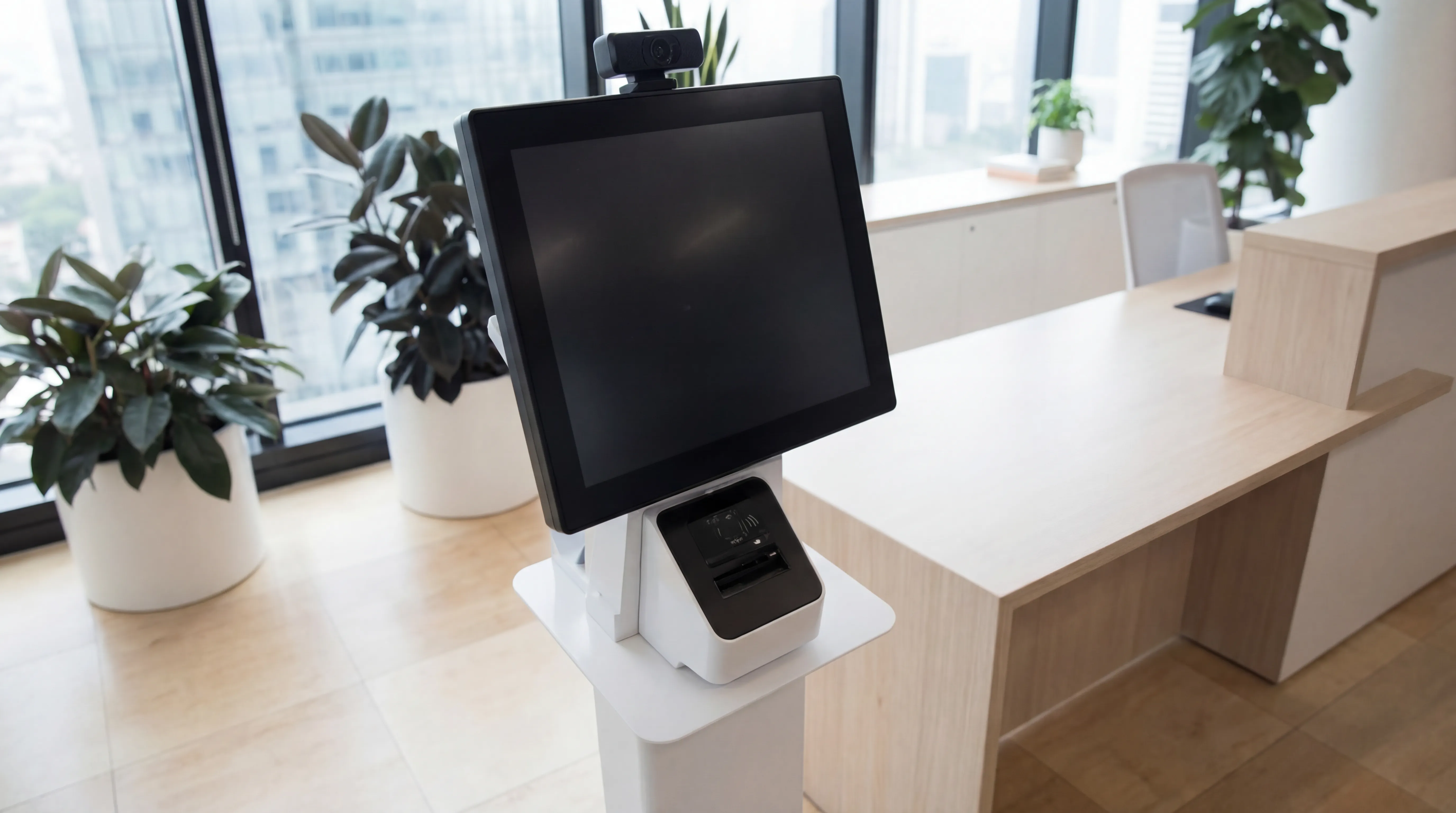
Visitor Systems
Modern digital sign-in, badge printing, and GDPR-compliant visitor management for a professional first impression.
Ready to discuss your workplace technology?
Talk to the team today. We will assess your needs, build you a tailored solution, and support you every step of the way.